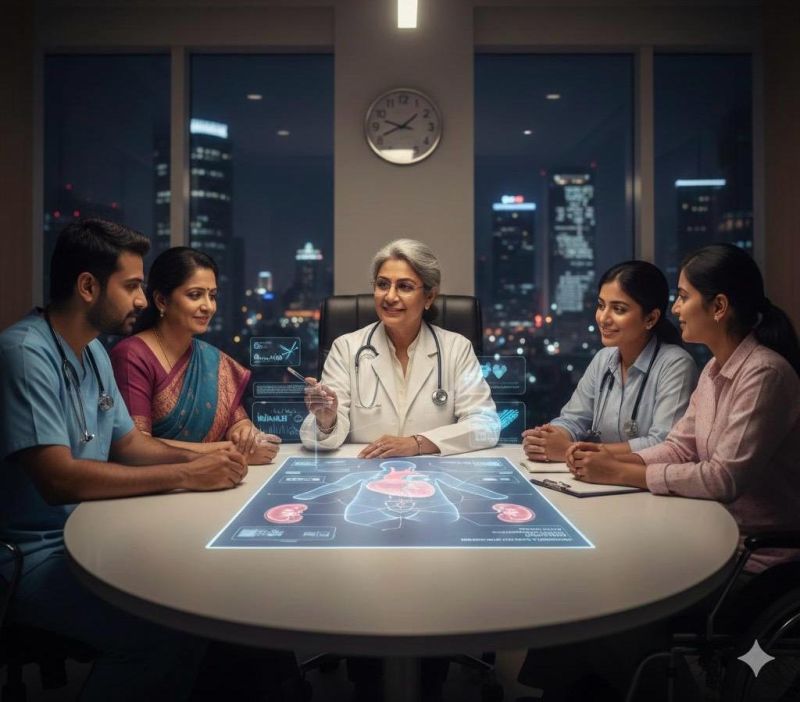
In modern medicine, we have reached an incredible level of specialization. We have brilliant minds dedicated to the finest details of every organ system. But as our elders age, their needs move beyond the scope of any single specialty. They need a Geriatrician.
In my clinical experience, I have seen that a Geriatrician isn't just another specialist they are the strategist who views the "big picture." Here is why this role is the cornerstone of dignified elder care:
1. Managing the "Cumulative Effect" Clinical guidelines are often written for single diseases, but our elders don't live in a single-disease world. A Geriatrician understands how the intersection of multiple conditions creates a fragile equilibrium. They ensure that a treatment for one system doesn't inadvertently trigger a failure in another.
2. The Guardian of the Medicine Cabinet Iatrogenic harm and polypharmacy are silent crises in elder care. While every specialist prescribes with the best intentions, the Geriatrician takes the vital step back. They perform the critical "pruning" of medications, prioritizing safety, cognitive clarity, and the reduction of adverse drug interactions.
3. Shifting the Goal from "Cure" to "Function" A Geriatrician shifts the definition of medical success. They prioritize Functional Longevity: Can the patient still live independently? Can they enjoy their hobbies? They ensure that medical decisions align with the patient’s actual goals for their daily life, rather than just "fixing a number" on a lab report.
4. The Bridge for the Care Team A Geriatrician serves as the central point of communication. They translate complex medical realities into a compassionate, actionable plan for families, providing the continuity that is so often lost in a fragmented healthcare system.
I didn’t just learn this from textbooks. I’ve had the privilege of seeing this expertise in action through my work with Dr Prem Narasimhan and Dr. Akash Jaiswal By observing their clinical practice, I’ve witnessed firsthand how a dedicated geriatrician can transform the quality of life for an elderly patient and provide much-needed peace of mind for their families.
We don’t need the Geriatrician to replace the specialist; we need them to integrate the care.